A Tale of Two Cities: The Environmental Cost of Election Campaigns
On February 8, 2026, Thailand and Japan reached a political milestone by holding elections on the same day. However, beneath the political excitement lies a stark contrast in environmental management: the handling of campaign poster waste.
While the election cycle is a celebration of democracy, it often leaves behind a massive environmental footprint. The "final destination" for these materials reveals a significant gap in sustainability practices between the two nations.
Landfill vs. Circular Economy
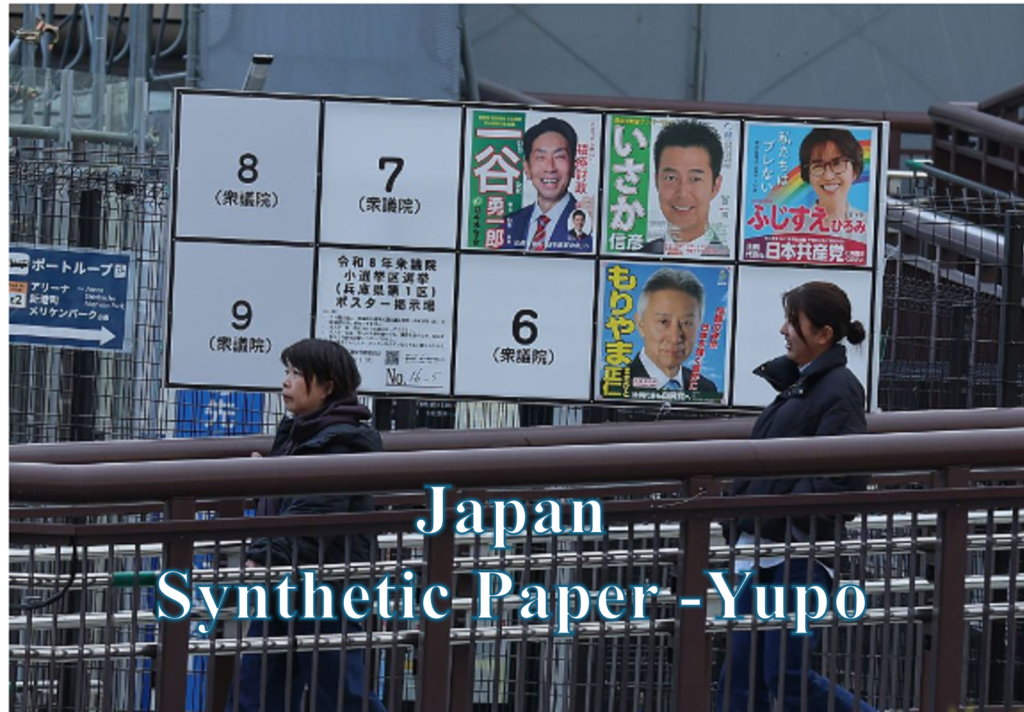
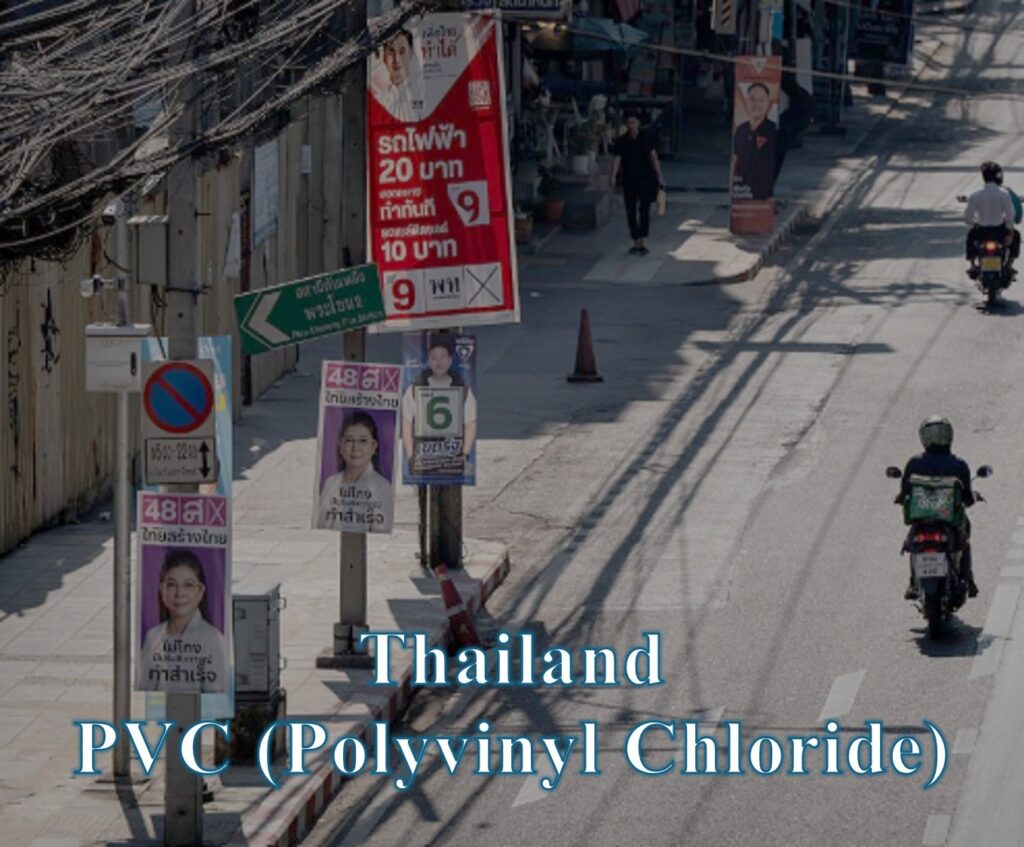
In Thailand, the lifecycle of a campaign poster typically ends at the landfill. Despite the temporary nature of the advertisements, the volume of waste generated poses a significant challenge to municipal management. Conversely, Japan has integrated its election logistics into a circular economy, where posters are processed at recycling plants and reintroduced into the supply chain.
The Material Challenge
Why is Thailand struggling to keep up? According to environmental experts, the issue lies in the materials. The PVC vinyl common in Thai posters is notoriously difficult to recycle in an eco-friendly manner. These materials often lead to a "cradle-to-grave" cycle rather than a sustainable one.
As Thailand moves toward greener urban development, experts suggest that policy changes—such as adopting recyclable substrates like those used in Japan—are necessary to turn election waste into a valuable resource.